SafetySiren
Since 1993
Protecting your family
Stay safe in your home & workplace with
Safety Siren gas detection
SafetySiren Gas Detectors
RADON
CG
3in1
PRO SERIES3
PRO SERIES Combustible Gas
PRO SERIES CO/CG/Propane

Info
Info
Info
Manual
Where to Buy
Manual
Where to Buy
Manual
Where to Buy
AVAILABLE MODELS
HS71512 (U.S.A.) pCi/L (Picocurie) HS79712 (Canada) Bq/m3 (bequerel)
HS79592 (Korea) Bq/m3 (bequerel)

Latest News
-
STAY TUNED!04/26/2018for the unveiling of the next generation of SafetySiren's Radon gas detectors.
-
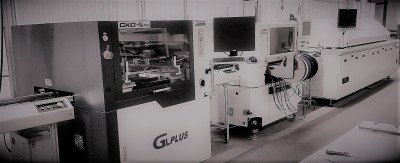 New SMT Production LineOctober 2017FSPI is excited to announce the implementation of new SMT equipment to continue to manufacture high quality products for our customers.
 -
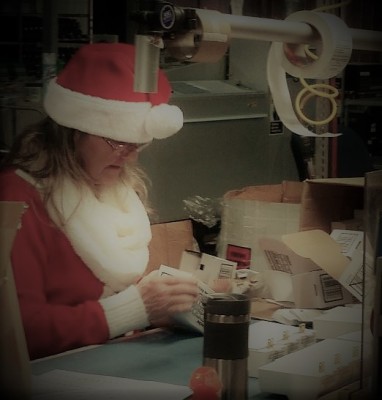 Happy Holidays from FSPIDecember 2017Mrs. Santa putting on the finishing touches just in time to ship for the Holidays.
About Us
Family Safety Products, Inc. is a USA, Michigan based manufacturing company that provides; life saving, gas detection products, since 1993. FSPI is the global leader of residential electronic radon gas detection.
SafetySiren gas detectors are designed, engineered, manfactured, quality assurance tested and packaged in the USA. FSPI oversees all processes to ensure you receive high quality product.
Your family is important to us, and our mission is to alert you of hazardous gas leaks.
Keeping your family safe is our #1 priority.

HEAR US OUT
Radon is the second leading cause of lung cancer.
Radon Gas is a colorless, odorless, tasteless radioactive gas that's formed during the natural breakdown of uranium in soil, rock and water.
Symptoms of CO Poisoning
Facts and Concerns about Carbon Monoxide (CO)
Sources of CO Gas
The following symptoms are related to carbon monoxide poisoning and should be discussed with all members of the household:
Mild Exposure
Slight headache, nausea, vomiting, fatigue (often described as "flu-like" symptoms).
Medium Exposure
Severe throbbing headache, drowsiness, confusion, rapid heart rate.
Extreme Exposure
Unconsciousness, convulsions, cardiopulmonary failure, death.
Young children and pets may be the first affected by CO poisoning.
Carbon Monoxide (CO) is a colorless, odorless, tasteless gas, which is very toxic and nearly impossible to detect without the use of sensing equipment. Carbon Monoxide can be absorbed into the body's bloodstream nearly 10 times faster than pure oxygen. Thus it can limit the body's ability to absorb oxygen whenever carbon monoxide is present, even in small amounts. This reduced ability of the body to absorb oxygen is known as chemical asphyxiation and it can result in death whenever carbon monoxide is present in small quantities over a period of time.
Carbon monoxide results from incomplete combustion of carbon-based fuels such as natural gas, charcoal, wood, coal, heating oil, kerosene, gasoline and propane. Many of these fules can be found throughout the home, for example in kitchen appliances, furnaces, water heaters, fireplaces, portable heaters, barbecue grills and automobiles. If incomplete combustion occurs in any of these devices and they are improperly vented to the outside, the danger of CO poisoning exists.
DISASTROUS EXPLOSIONS CAN OCCUR FROM LEAKS OF
COMBUSTIBLE GASES
Such as natural gas (methane) and LPG gas (propane).
These types of gases are used to fuel a variety of common appliances found in the home. Cooking stoves/ovens, hot-water heaters, clothes dryers, space heaters, fireplace starters and heating furnaces are the most common gas-fuel burning appliances. Natural gas and propane can cause devasting explosions from even the smallest leaks from any of these appliances.